
Natural fruit compound shows early promise as Sanfilippo treatment
Resveratrol, found in grapes and berries, lowers heparan sulfate buildup
Written by |
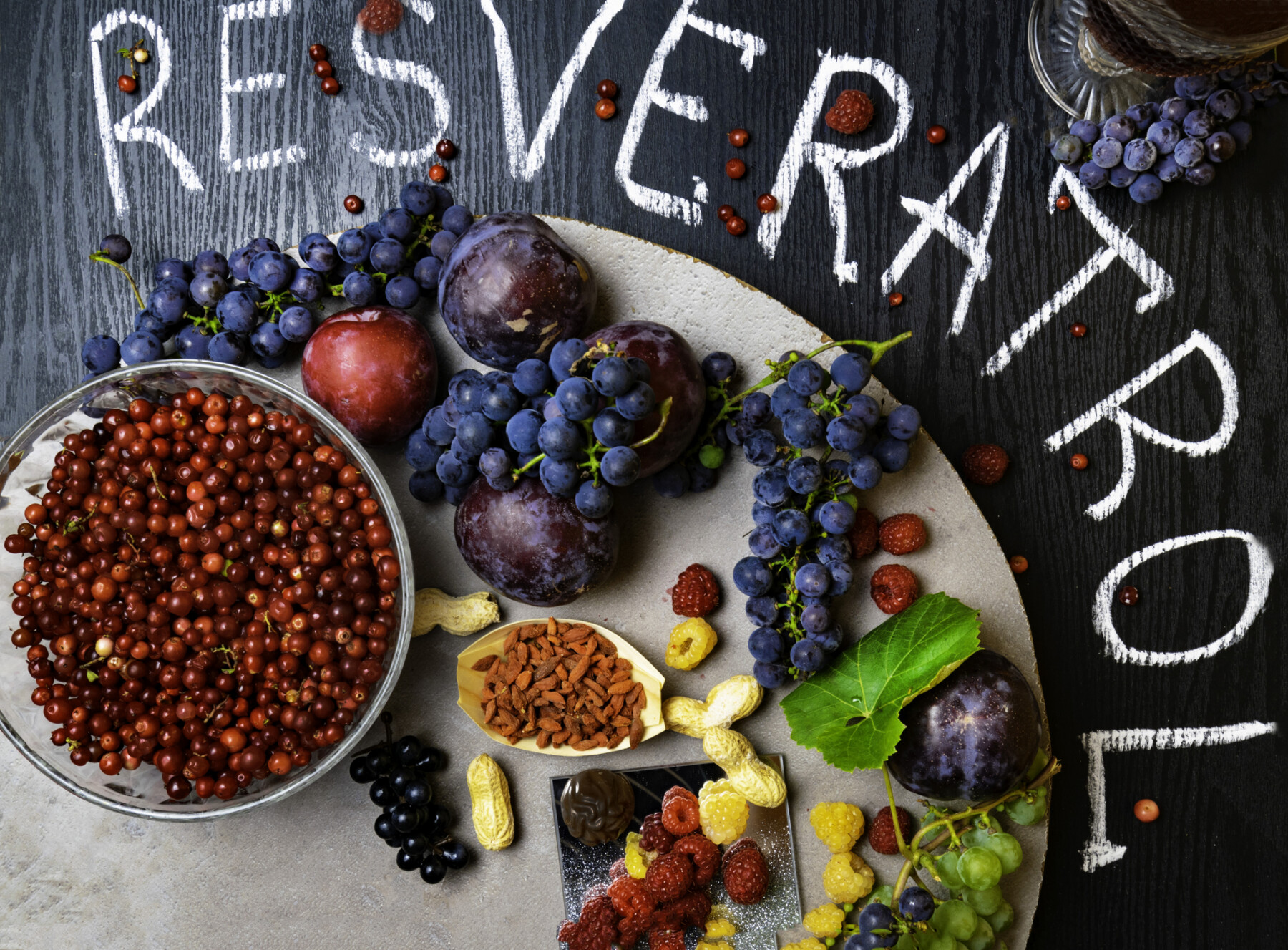
Grapes and berries are among foods rich in resveratrol. (Photo by iStock)




Resveratrol, a compound naturally produced in several types of fruit, can reduce the toxic buildup of the sugar molecule heparan sulfate that drives Sanfilippo syndrome, according to a study done in a cell model of Sanfilippo type B.
The findings suggest that this sugar molecule could be used as a substrate reduction therapy for Sanfilippo type B, said the researchers, who called for further study.
The study, “Inhibition of heparan sulfate synthesis by resveratrol in mucopolysaccharidosis type I and IIIB,” was published in Metabolic Brain Disease.
Normally, cells in the body, especially the brain, produce heparan sulfate when they need it and break it down when they don’t. Sanfilippo syndrome, also called mucopolysaccharidosis type 3, encompasses a group of genetic disorders in which cells cannot break down heparan sulfate, so it builds to toxic levels. This toxic buildup causes damage to cells, especially nerves in the brain, which ultimately leads to Sanfilippo symptoms.

Reducing heparan sulfate
Type B Sanflilippo is caused by mutations in the gene NAGLU. There are no approved treatments for this form of the disease.
One potential treatment strategy is substrate reduction therapy (SRT). The idea of SRT is to lower heparan sulfate production in cells, reducing the toxic buildup of the molecule and ultimately slowing disease progression. Similar treatments have proven effective for other genetic conditions in which the body cannot break down specific molecules.
Resveratrol is found in plants including grapes, raspberries, blueberries, and peanuts. Previous studies in lab models of Sanfilippo have suggested that the compound may reduce heparan sulfate levels; however, the biological mechanisms underlying its effect remain unclear.
Scientists in Poland conducted a series of tests using cell models to understand how resveratrol affects heparan sulfate. The team used a cell model of Sanfilippo type B, as well as a model of a related condition, Hurler syndrome (also known as mucopolysaccharidosis type 1).
In both cell models, resveratrol was shown to reduce heparan sulfate levels, in line with data from previous studies. Digging deeper, the researchers found that resveratrol altered the activity of several genes involved in the synthesis of new heparan sulfate. Meanwhile, genes that break down heparan sulfate were largely unaffected by resveratrol.
The data suggest that resveratrol reduces heparan sulfate levels by reducing production of the sugar molecule. These findings position resveratrol as a potential candidate for SRT in Sanfilippo, the researchers said.
“Resveratrol reduces [heparan sulfate] levels in [Sanfilippo B and Hurler] cells,” the researchers wrote “Our findings support the model of inhibition of [heparan sulfate production] as the predominant mechanism underlying this effect … In contrast, our results provide no clear evidence for a direct effect of resveratrol on [heparan sulfate] degradation.”

Leave a comment
Fill in the required fields to post. Your email address will not be published.